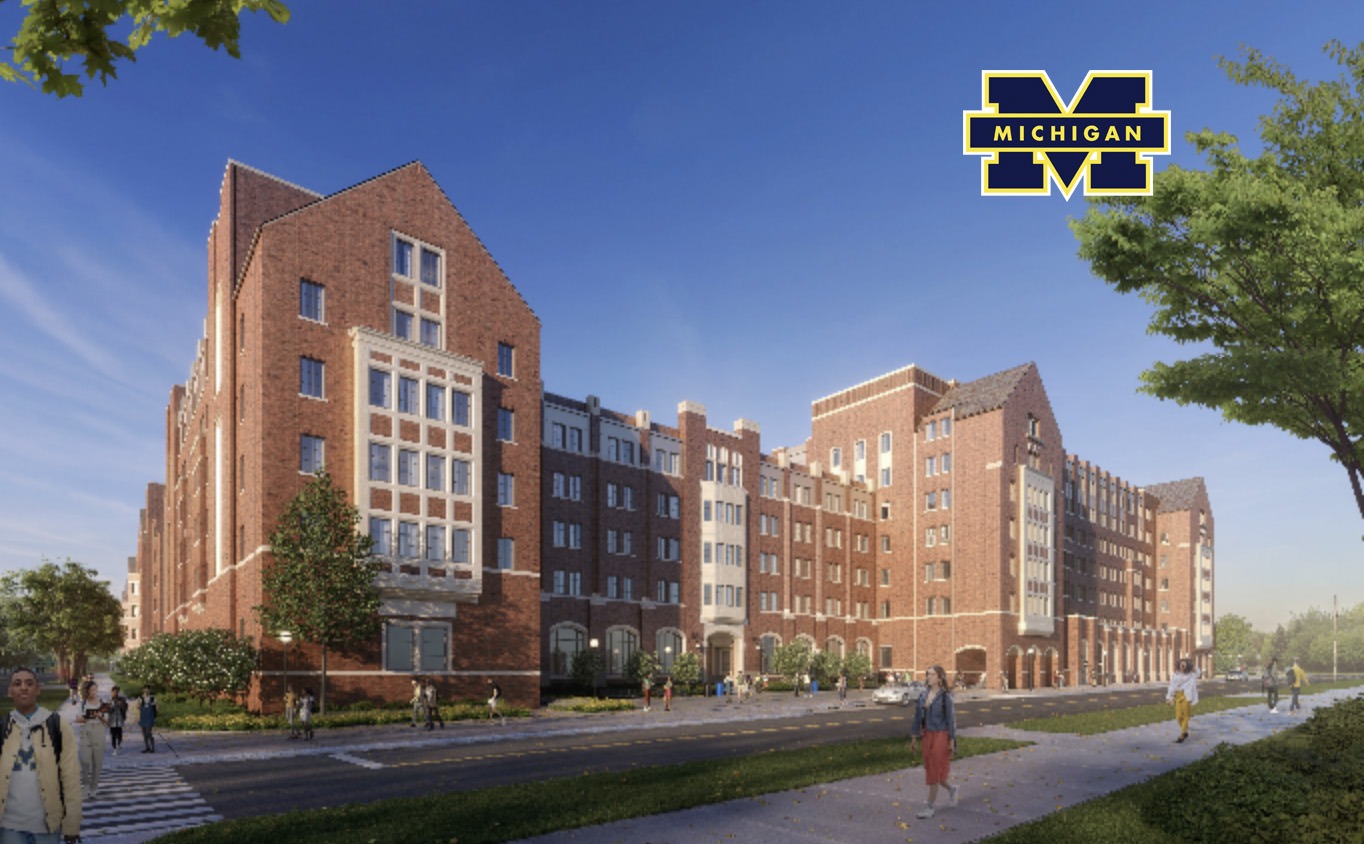
Masonry gives you options, and that is a good thing. Two of the most common choices are brick and CMU, short for concrete masonry unit. Both are strong, durable, and proven. Still, they serve different roles. Understanding brick vs CMU helps you build smarter across New Jersey, Pennsylvania, and Philadelphia.
Every building decision comes down to value. Owners want structures that are safe, affordable to maintain, and built to last. The benefits of masonry construction check all three boxes. Across New Jersey, Pennsylvania, and Philadelphia, brick, stone, and CMU continue to prove their worth on real projects.
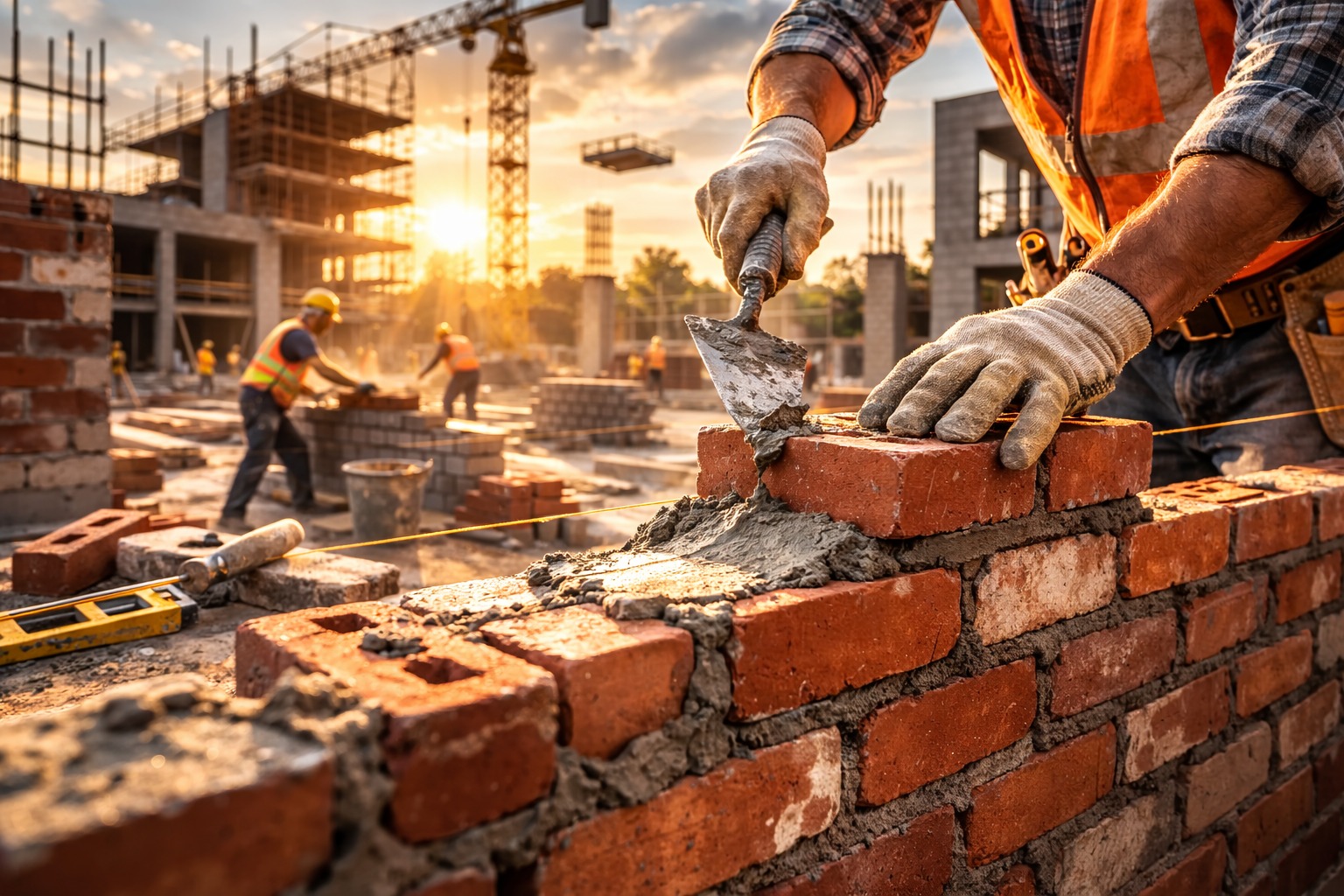
Masonry is one of the oldest and most respected trades in construction. If you enjoy working with your hands and want a career that pays well without student debt, learning how to become a bricklayer is a smart move. Across New Jersey, Pennsylvania, and Philadelphia, skilled masons are in steady demand.
Choosing the right crew shapes the entire outcome of a build. When you hire union masonry contractors, you gain more than a set of hands. You gain trained professionals, proven safety systems, and a workforce that treats craftsmanship as a career. Across New Jersey, Pennsylvania, and the greater Philadelphia region, building owners and developers rely on union masons to deliver work that lasts.
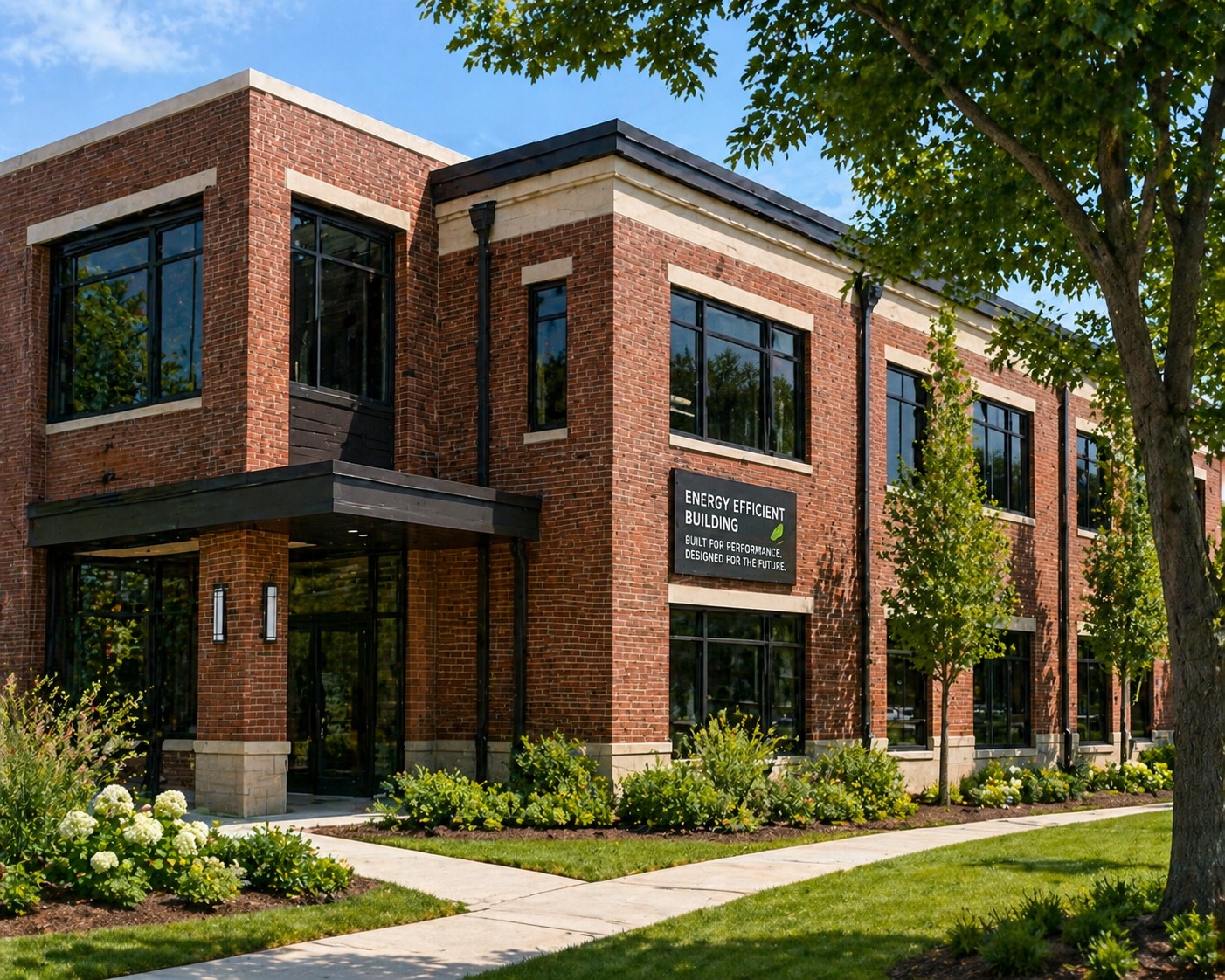
Sustainability is no longer a checkbox on a design brief. It is the starting point for any serious building project. Owners ask about embodied carbon on day one. Architects chase LEED and WELL certifications. Municipalities tighten energy codes year after year. In that world, the question of why build with brick keeps landing on the right side of the sustainability conversation.
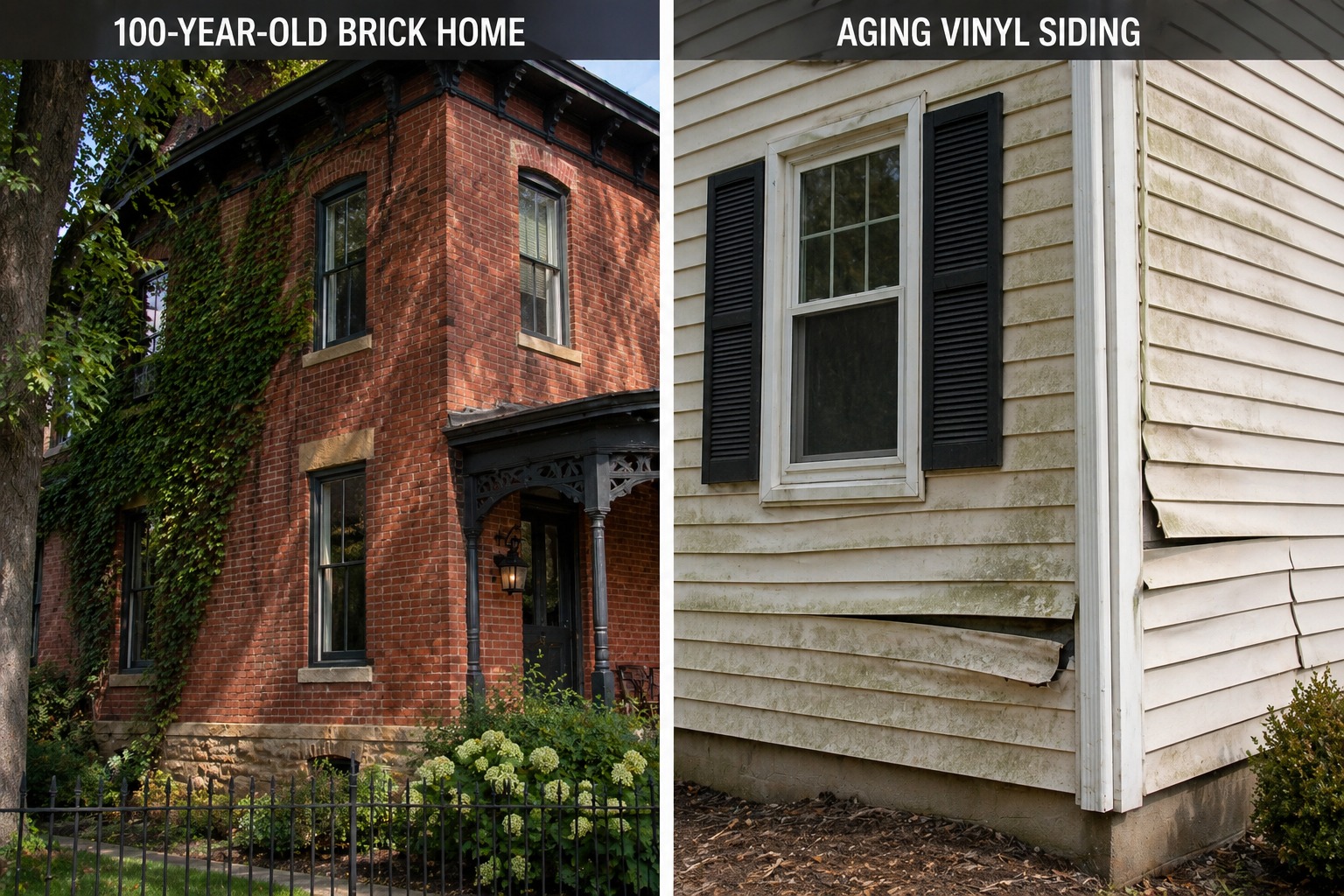
Sticker shock. That is the first reason many developers pause on masonry bids. At first glance, brick can look more expensive than stick-frame construction or metal panels. However, smart buyers know that sticker price tells only part of the story. The real answer to why build with brick lives in the decades that follow.
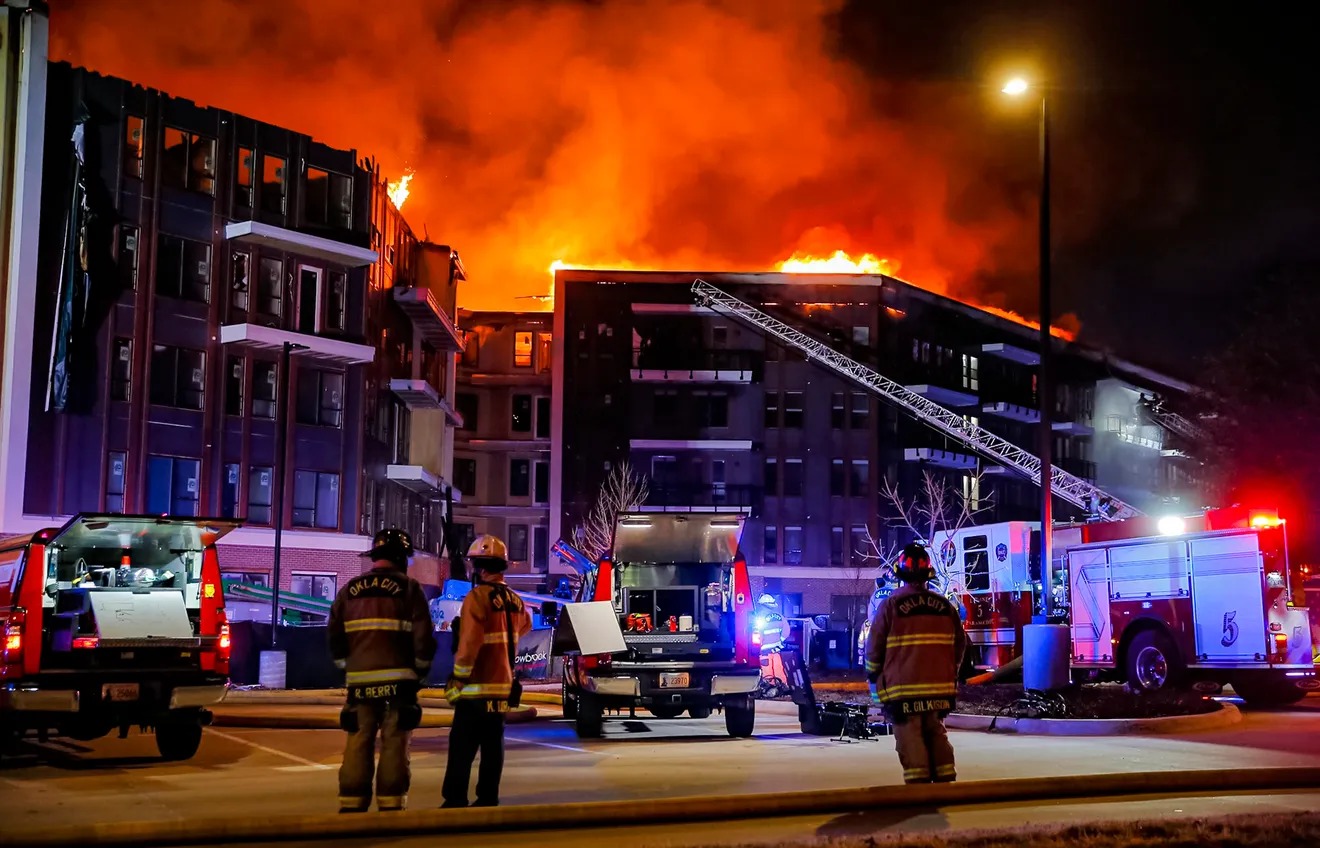
Ask any developer who has watched a timber frame go up in minutes. Then picture a brick wall still standing a century later. The answer to why build with brick becomes clear pretty fast. Safety sits at the heart of every good building decision. In fact, it is the reason masonry has endured for thousands of years. Storms hit harder now. Wildfires burn hotter. Everyday risks such as kitchen fires and burst pipes can level a lightweight structure in hours. Brick, on the other hand, was built for exactly these moments.
The construction industry depends on skilled trades to bring architectural visions to life. Among the most respected and enduring trades is masonry. Masonry careers offer stability, strong earning potential, technical expertise, and the opportunity to build structures that last generations.
When it comes to constructing buildings that stand the test of time, few trades offer the reliability and strength of masonry. From schools and hospitals to commercial buildings and municipal projects, masonry construction continues to be one of the most trusted building methods in the industry. At the heart of this reliability are union masonry contractors, who combine skilled labor, technical education, and rigorous safety standards to deliver superior results.
The construction industry continues to evolve, but some building methods remain timeless. Masonry construction has been used for thousands of years—and for good reason. The benefits of masonry construction extend far beyond aesthetics, offering structural strength, sustainability, safety, and long-term cost savings.
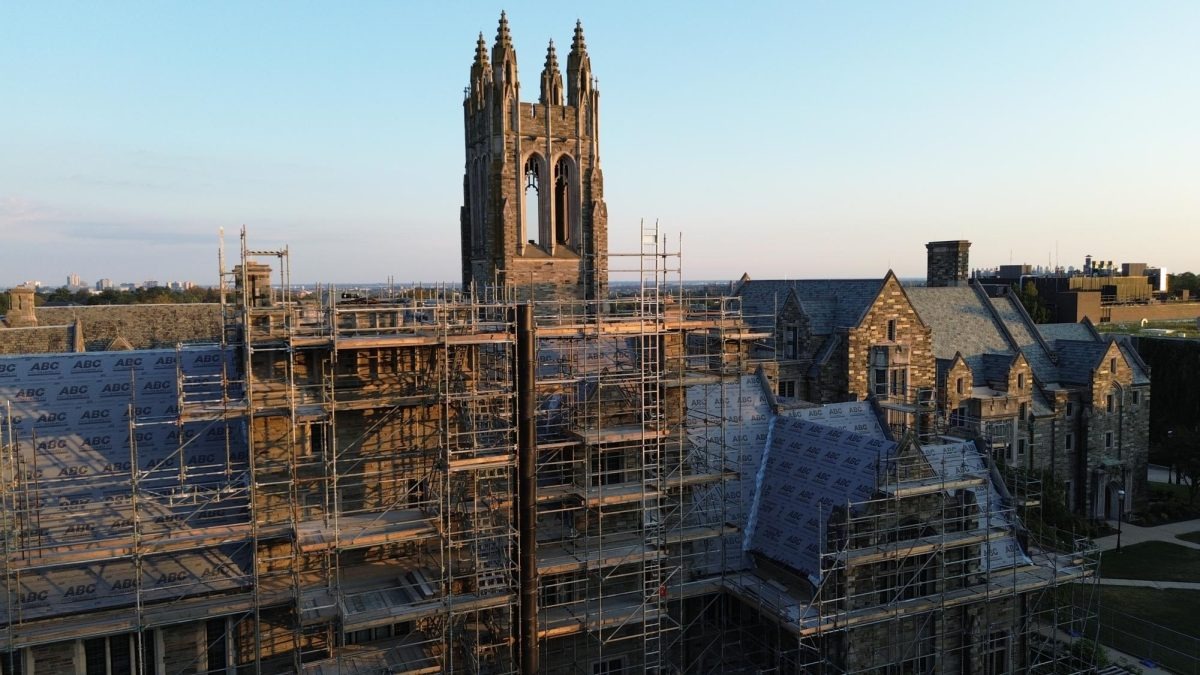
Built in 1927, Barbelin Hall is approaching its 100-year anniversary, standing as one of the most recognizable and cherished landmarks on Saint Joseph’s University campus. Named for Felix J. Barbelin, S.J., one of the University’s founders, the building’s soaring 165-foot bell tower, detailed stone façade, and Collegiate Gothic design have symbolized Saint Joseph’s commitment to academic excellence for nearly a century.
Updated: Jan 27
Updated: Jan 27
Updated: Jan 27
Updated: Jan 27
Address I 900 W. Sproul Rd., Suite #202, Springfield, PA 19064
Phone I 502-689-4555 Email I Amy@employingbricklayers.org
© 2026 EBA. All rights reserved.